




GOTS vs OEKO-TEX vs "100% Organic" — What Actually Matters
Share
If you've spent any time shopping for baby clothes, you've probably seen at least three different labels claiming to mean roughly the same thing: GOTS, OEKO-TEX, and "100% organic." They're often used interchangeably in marketing, but they're not the same claim, and they don't tell you the same thing about what's actually touching your baby's skin. Here's what each one really means, and what should genuinely guide your decision.
The Alphabet Soup on Baby Clothing Labels
Walk into any store or scroll any baby clothing website in India and you'll see some combination of these terms stamped on tags, product pages, or banners. Understanding the difference matters because these labels answer different questions:
- GOTS answers: was this made responsibly, from farm to finished garment?
- OEKO-TEX Standard 100 answers: is this specific finished product free of harmful chemicals?
- "100% Organic" (used on its own, without a certification body attached) answers: what is the fibre made of? — and nothing more, unless it's backed by proof.
What Is GOTS, Exactly?
GOTS stands for Global Organic Textile Standard. It's a process certification, meaning it doesn't just test the final t-shirt — it audits the entire supply chain: how the cotton was farmed, which chemicals (if any) were used at every processing stage, and whether labour practices met defined ethical standards. A genuinely GOTS-certified product has been independently audited at each of these stages, not just tested once at the end.
What Is OEKO-TEX Standard 100, Exactly?
OEKO-TEX Standard 100 works differently. It's a product certification, meaning a finished garment is lab-tested for a defined list of harmful substances — things like formaldehyde, heavy metals, and banned dyes. It doesn't require the fibre to be organic at all; a fabric can be OEKO-TEX certified and still be conventional (non-organic) cotton, as long as it passes the chemical safety test. Notably, OEKO-TEX has a stricter testing tier specifically for baby and toddler products, since infant skin absorbs more and tolerates less.
What Does "100% Organic" Actually Mean on Its Own?
This is where things get murkier. "100% organic cotton" as a phrase, printed on a tag without a certifying body's logo next to it, is a claim about fibre content — that the fabric is made from cotton grown without synthetic pesticides — but it isn't independently verified the way GOTS or OEKO-TEX claims are. That doesn't automatically make it false. Many smaller and mid-sized brands genuinely source organic cotton but haven't pursued (or can't yet afford) formal certification, which involves real cost and lengthy audits. But as a shopper, it does mean you're taking the brand's word for it rather than a third party's.
GOTS vs. OEKO-TEX vs. "100% Organic": Side by Side
What it verifies:
- GOTS — organic fibre content and ethical, environmental production practices across the whole chain
- OEKO-TEX — absence of harmful chemicals in the finished product, regardless of fibre origin
- "100% Organic" (uncertified) — a fibre-content claim made by the brand, not independently audited
Best for verifying:
- GOTS — sourcing and supply chain responsibility
- OEKO-TEX — chemical safety on skin contact
- "100% Organic" (uncertified) — nothing verifiable beyond the brand's own word
Common myth:
- GOTS does not mean "completely chemical-free" — it means chemicals used are restricted and audited, not entirely absent
- OEKO-TEX does not mean "organic" — it only means the finished product tested clean of a defined chemical list
- "100% Organic" without certification does not mean audited — it means claimed
What Should Actually Matter to You as a Parent
If you can only check one thing before buying, prioritise fibre content and finish over the label itself: 100% cotton (not a synthetic blend), unbleached or naturally processed where possible, and soft, flat-lock seams. Certifications like GOTS and OEKO-TEX are valuable because they replace trust with third-party verification — but the absence of a certification logo doesn't automatically mean a product is unsafe. It means you're relying on the brand's transparency instead of an auditor's paperwork.
A reasonable approach: ask the brand directly what "organic" means for their specific products — where the cotton is sourced, whether it's dyed or bleached, and whether any testing has been done — rather than assuming a marketing word covers everything.
Where Bliss Baby Stands
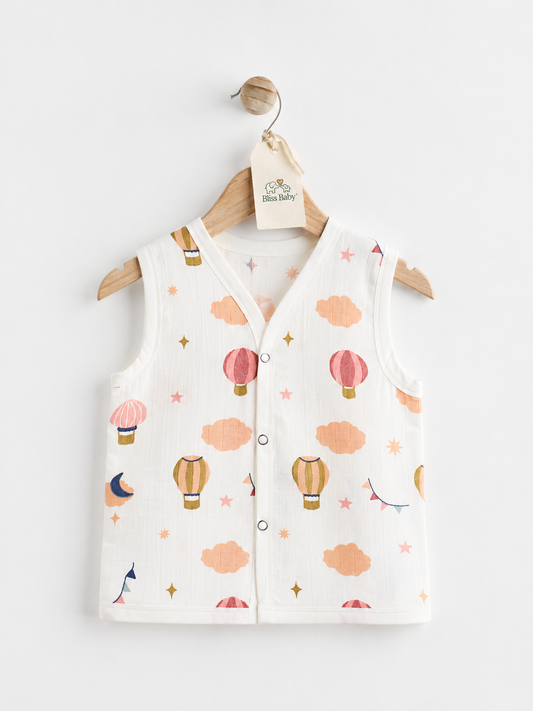
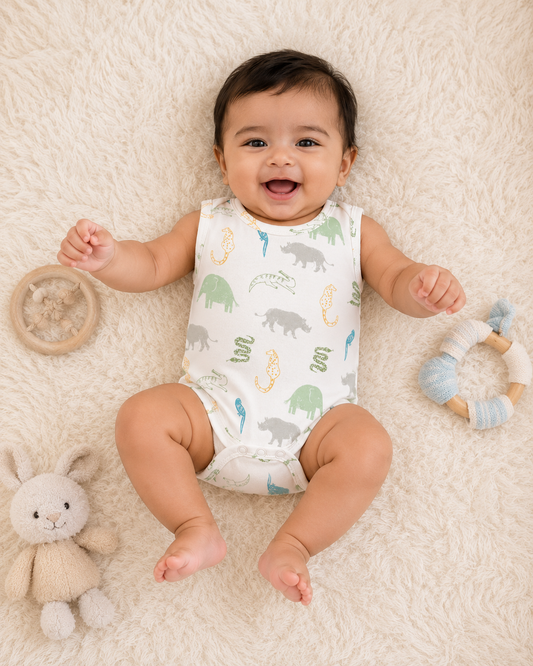
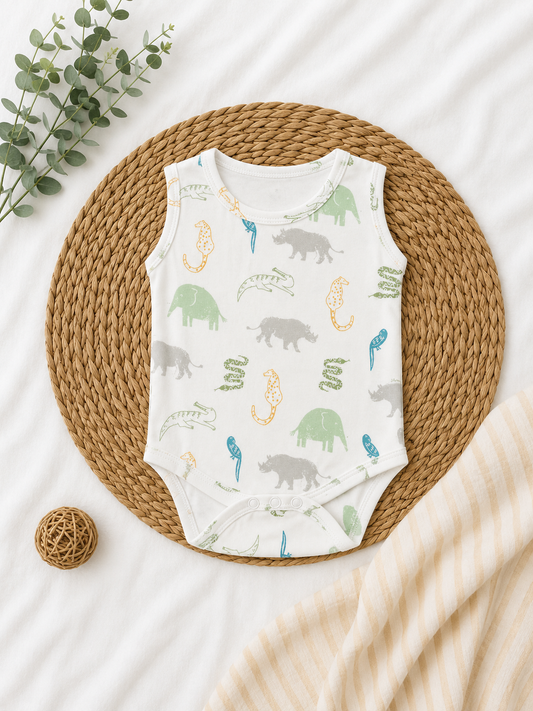
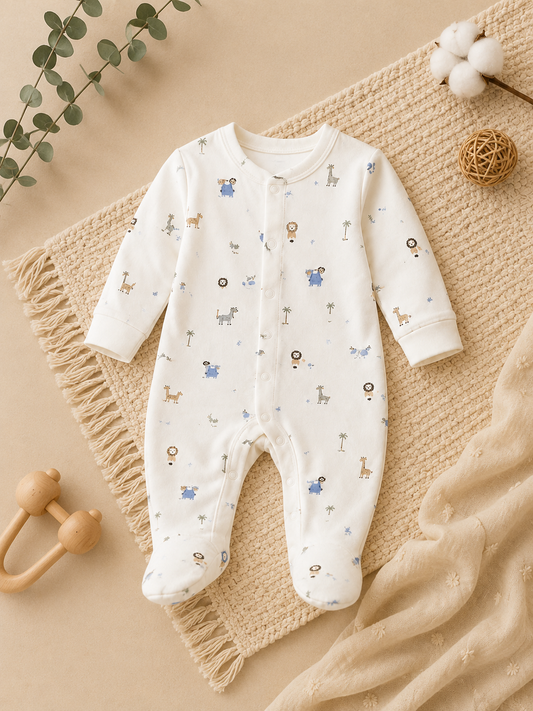
Every Bliss Baby garment is made from 100% cotton or muslin — no synthetic blends — chosen specifically because a newborn's skin is up to five times thinner than an adult's and reacts more to what touches it. We're upfront that this is a fibre-content commitment on our part, not a claim to hold a specific third-party certification like GOTS or OEKO-TEX. If certification matters to you when choosing baby clothing, it's a completely fair thing to ask any brand about — including us, at care@blissbaby.in.
You can explore our current 100% cotton and muslin range across New Arrivals, Muslin Jablas, Onesies, Sleepsuits, and Muslin Blankets, sized across 0-3 months through 9-12 months.
The Bottom Line
None of these three labels are marketing fluff when used correctly — GOTS and OEKO-TEX exist precisely because "organic" and "safe" are words that get overused. But they're not interchangeable, and a plain "100% organic" claim without a certifying body attached is worth asking follow-up questions about, from any brand, not just ours.
If you have questions about our fabric sourcing or sizing, our FAQ page covers common questions, or you can write to us directly at care@blissbaby.in.